Voices that carry: Bullitt County Youth Coalition(BCYC) take their prevention message to Washington and join in for Community Anti-Drug Coalitions of America(CADCA) leadership training.
From Feb. 2–5, students Pari Patel, Mark Bickett, Debra Satterly, Cody Thomas, Claire Barger and Rylin Wall were in attendance for CADCA’s national leadership forum and participated in Capitol Hill Day.
These six BCYC members attended CADCA to build leadership skills and learn how to strengthen drug-free initiatives locally. Students learned firsthand about emerging drug trends and the urgent need for informed advocacy. Experts emphasized the message that prevention depends on communication, connection, and strong community partnerships.
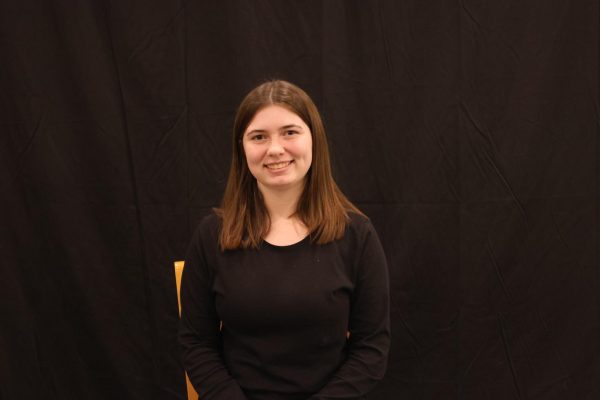
“I went to CADCA because it was a great leadership opportunity and a way to learn how to implement drug free policies into Bullitt County,” Debra Satterly, member of BCYC said.
Satterly attended three sessions, small talk to public speaking, alternatives to suppression and beyond bubble baths and ted talks. Each session helped her learn key preventative measures in communication, education and self-care.
“It gathers coalitions, and it’s a wonderful learning opportunity for people to understand not just the effects of drugs, but also how to prevent them from spreading to the community,” Satterly said.
As a part of the forum it was encouraged to attend Capitol Hill Day and advocate for your region. Satterly and her peers were able to attend meetings with Rep. Brett Guthrie, R-Ky., and Sen. Rand Paul, R-Ky., to advocate and discuss their efforts of drug prevention in Mt. Washington.
“The most important thing I felt like I learned is that communication is just as good as prevention, and in some cases, communication is prevention, and that building not just strong policies, but connections within your community can help prevent the spread of drugs and violence,” Satterly said.
The theme for CADCA’s 2026 conference was, “Resilient Communities, Lasting Change” this message was centered around the true meaning of prevention, withstanding challenges and creating healthier futures. The connection in communities and conservations are the first step to creating these futures, but there are still obstacles that need to be overcome.
“We increasingly see counterfeit pills that have methamphetamine in them. So it’s not just an opioid issue, and that increases the risk because people don’t know what substances they might be using,” Christopher M. Jones, PharmD, DrPH, MPH said.
As the Director of the Center for Substance Abuse Prevention (CSAP) and Acting Director of the Center for Behavioral Health Statistics and Quality (CBHSQ) Jones holds a crucial role in tracking drugs and their impacts on communities. He shared warnings of increasing counterfeit pills and fentanyl lacing, cautioning coalitions to make their communities aware of these dangers.
“We need your advocacy more today than ever. When you speak, as you saw, two weeks ago, when we are all receiving the midnight termination funding notices, our government not only listens, but they respond. Use your voices. Speak truth to power. Don’t admire the problem, but be a part of a large solution,” General Barrye L. Price, President and CEO of CADCA said.
Leading the opening plenary, Price emphasized the power of advocacy, speaking of times he and his team led changes, such as removing social security numbers from not only soldier leave forms but any forward facing documents. He encouraged not only solving the problem given to you but considering the future of this solution.
“Connection is prevention,” Price said.
BCYC hopes their efforts in creating fun drug-free events, helping those in need with scarves in the park, and overall advocacy efforts reach the community and create the connection dearly needed to assure more youth have the opportunity for a healthy future.